private hospitals
206 Views
Microwave Ovens: Between Myth and Reality – A Blessing or a Curse for Health?
Posted By joycemoumji |
2025-07-24
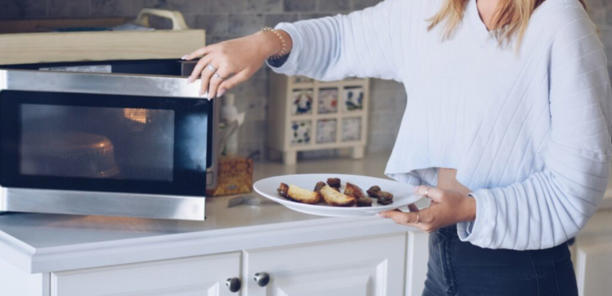
It is true that microwave ovens use radiation to heat food, but they are not unique in this regard. In fact, all cooking methods rely on thermal radiation, which can be harmful if it comes into direct contact with the body.
The good news is that the thermal radiation generated by a microwave remains contained within the appliance. This keeps the exterior parts — such as the door and handles — cool and free from the excess heat commonly found in conventional ovens and toaster ovens.
Simply put, microwave cooking does not affect the nutritional value of meals. Just like traditional cooking methods, any changes in food heated in a microwave result from the release of thermal energy — what we commonly refer to as heat.
Foods such as partially cooked rice and steamed vegetables are prepared and packaged using methods that preserve their nutrients, making them ideal choices for microwave cooking.
While popcorn, leftover pizza, and ready-made dinners are common uses for the microwave, this versatile and convenient appliance adds much more to our diets than we might realize.
For example, vegetables are flash-frozen at the peak of freshness, then immediately sealed in microwave-safe packaging to preserve their nutrients and crisp texture. Similarly, staple foods like rice and legumes cook excellently in the microwave and can serve as the foundation for a wide variety of meals. In addition, rice-based products specifically designed for microwave cooking are also available.
On the other hand, microwave ovens also make it easier to maintain healthy eating habits. With a little meal planning, you can prepare nutritious meals in advance, freeze them, and then let the microwave do its job: reheating food quickly and easily.
As with any cooking method, timing and technique are essential to preserving the texture and moisture of your food. Standard microwaves offer a wide range of preset modes and power levels to help achieve optimal results.
Furthermore, adding a small amount of water to your dish or covering your meal with a damp paper towel can help prevent foods that tend to dry out from becoming overcooked.
We may not recommend placing a raw turkey on the turntable, but that doesn’t mean microwave-cooked food can’t achieve consistent texture and even temperature.
Although pre-packaged microwave meals are designed to cook evenly with minimal effort, we actually have more control than we might think over how the microwave heats the food we prepare ourselves.
For instance, try using ceramic or glass containers — they distribute heat more evenly than plastic. Arrange food in a uniform layer so that the depth is roughly equal from one end to the other. Placing a damp paper towel over the food can also help absorb and distribute heat more evenly.
In my personal opinion as an editor, most of us cannot do without the microwave due to its ease of use and speed in heating food. However, we must always be aware of which types of food are safe to place inside!

comments
No Comments