Health Information
397 Views
Diseases Caused by Smoking
Posted By طاقم الطبي |
2025-08-21
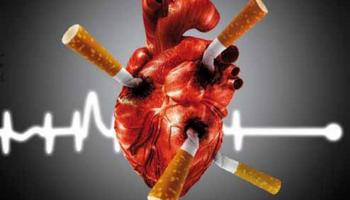
Smoking negatively affects various organs of the body and increases the risk of numerous life-threatening diseases. This article explores the diseases caused by smoking, including respiratory disorders, cardiovascular diseases, cancer, and more.
Smoking can lead to heart disease, stroke, cancer, lung disease, diabetes, and chronic obstructive pulmonary disease (COPD), which includes emphysema and chronic bronchitis.
It also increases the risk of tuberculosis, immune system disorders like rheumatoid arthritis, and certain eye diseases.
________________________________________
Respiratory Diseases Caused by Smoking
Types of lung diseases caused by smoking include:
Chronic Bronchitis
A form of COPD, chronic bronchitis is a long-term inflammation of the bronchial tubes, leading to shortness of breath and persistent coughing accompanied by mucus production.
Emphysema
Another type of COPD, emphysema affects the alveoli (air sacs) in the lungs. It causes shortness of breath, coughing, severe fatigue, and may also lead to sleep problems, heart issues, weight loss, and depression.
Lung Cancer
Lung cancer involves abnormal cell growth that forms lumps or tumors in the lungs. It may begin in the lining of the bronchial tubes or in other parts of the lungs.
Common symptoms include:
• Coughing
• Shortness of breath
• Chest pain
• Recurrent lung infections
Symptoms often do not appear until the disease has advanced. Smoking and secondhand smoke are the primary causes of lung cancer.
________________________________________
Cardiovascular Diseases Caused by Smoking
Smoking damages nearly every organ in the body, including the heart. It can cause blockages and narrowing of arteries, reducing blood and oxygen flow to various body parts, including the heart.
Smoking can:
• Damage blood vessels and make their walls thicker
• Narrow the internal space of vessels, forcing the heart to beat faster
• Increase the risk of high blood pressure
Smoking also damages the heart and blood vessels, increasing the risk of several cardiovascular diseases, such as:
Atherosclerosis
Harmful chemicals from smoking can accumulate in blood vessels, causing plaque buildup and hardening of the arteries. This makes it harder for blood to circulate, which may result in reduced oxygen supply to vital organs like the heart and brain, increasing the risk of clots, heart attacks, and strokes.
Stroke
Reduced blood flow to the brain limits oxygen supply to brain cells, leading to cell death. This can cause strokes, paralysis, speech difficulties, brain function changes, or even death.
Smoking significantly increases the risk of stroke and coronary heart disease. Early signs of cardiovascular disease can appear even in individuals who smoke fewer than five cigarettes a day.
A stroke can happen due to:
• A clot in a brain artery blocking blood flow
• A rupture or explosion of a blood vessel in or around the brain
Smoking may also increase the risk of:
• Coronary heart disease
• High blood pressure
• Heart attacks
• Aneurysms
________________________________________
Other Cardiovascular Diseases
Some less common but serious cardiovascular diseases linked to smoking include:
Peripheral Arterial Disease (PAD)
Reduced blood flow to the arms, legs, hands, and feet due to narrowing blood vessels. In severe cases, this may require limb amputation. Smoking is a controllable risk factor for PAD.
Abdominal Aortic Aneurysm
The aorta is the main artery that carries blood from the heart to the rest of the body. Smoking can cause a bulge in the abdominal part of the aorta, weakening its wall and making it more prone to rupture. A rupture can lead to sudden death.
This condition is more common in women, and most deaths from it are linked to smoking.
________________________________________
Cancer
Smoking can cause cancer and hinder the body’s ability to fight it. Cigarette smoke toxins increase cancer risk by:
• Weakening the immune system, which prevents it from fighting and suppressing cancer cell growth
• Damaging DNA, which disrupts normal cell growth and function, potentially leading to abnormal growth and tumor formation
Which Types of Cancer Can Smoking Cause?
While smoking is the leading cause of lung cancer, it also increases the risk of cancer in nearly every part of the body, including:
• Mouth, throat, and larynx
• Esophagus and stomach
• Bronchi (airways)
• Blood, liver, and kidneys
• Cervix
• Pancreas
• Colon and rectum
• Bladder
Smoking also increases the risk of cancer-related death in cancer patients.
________________________________________
Other Diseases
Smoking causes additional, less commonly known health risks, including:
Type 2 Diabetes
Smoking increases the risk of developing type 2 diabetes and its complications, such as poor blood flow to the legs and feet. This can lead to infections and may require limb amputation.
Vision Loss
Smoking raises the risk of age-related macular degeneration, the leading cause of blindness in people over 65.
Erectile Dysfunction
Smoking may impair sexual function in men by narrowing blood vessels throughout the body, including those that supply the genitals. Quitting smoking can significantly improve sexual performance in men.
________________________________________
Other Health Effects of Smoking Include:
• Reduced fertility in women and complications during pregnancy
• Increased risk of ectopic pregnancy in female smokers
• Higher risk of osteoporosis and hip fractures
• Increased risk of rheumatoid arthritis
________________________________________
Conclusion
Smoking significantly increases the risk of numerous diseases, including lung diseases, cardiovascular conditions, cancer, diabetes, and sexual dysfunction.
The only effective way to avoid these health risks is to quit smoking.

comments
No Comments